
What kind of chiller are you selling?
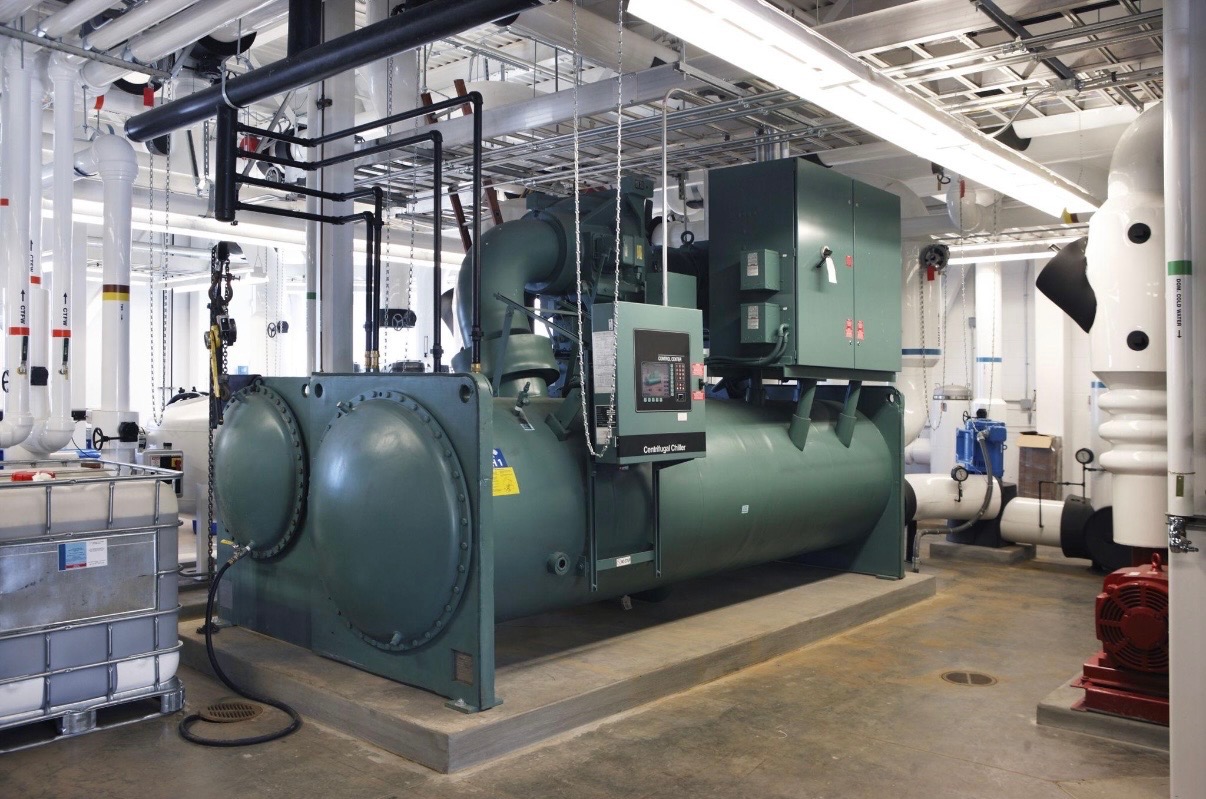
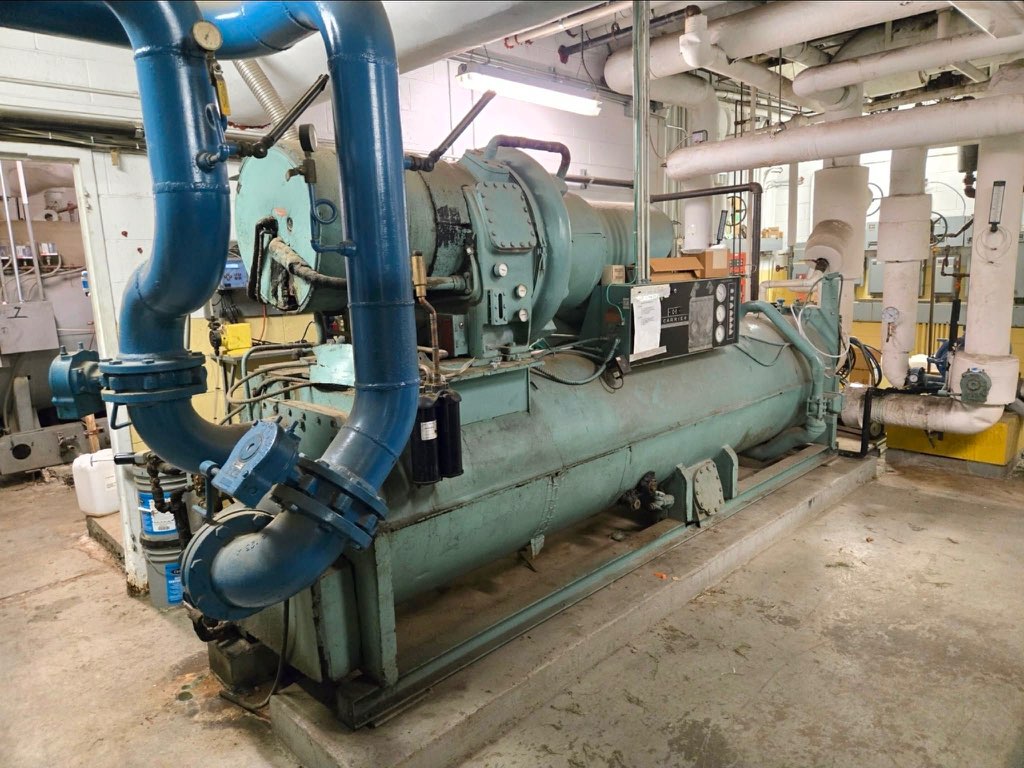
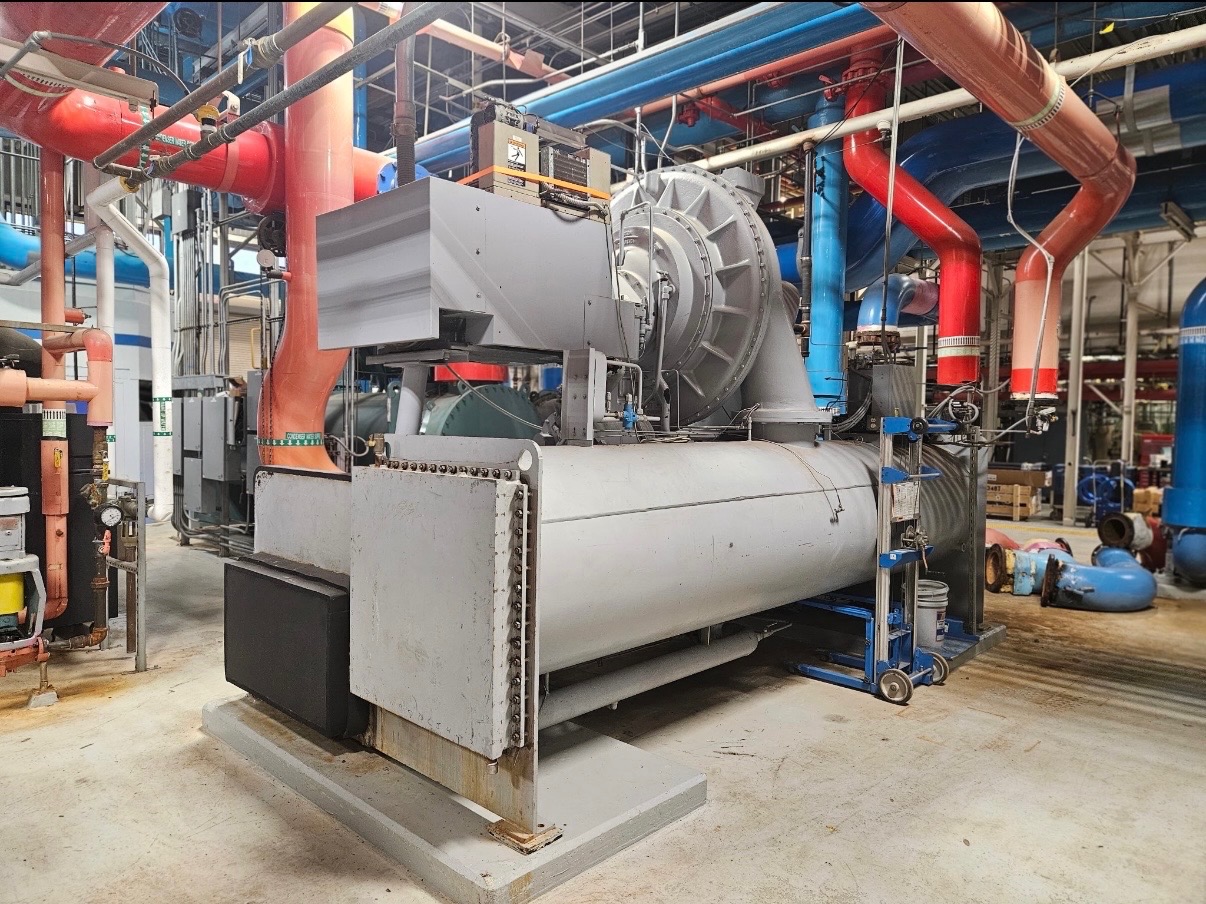
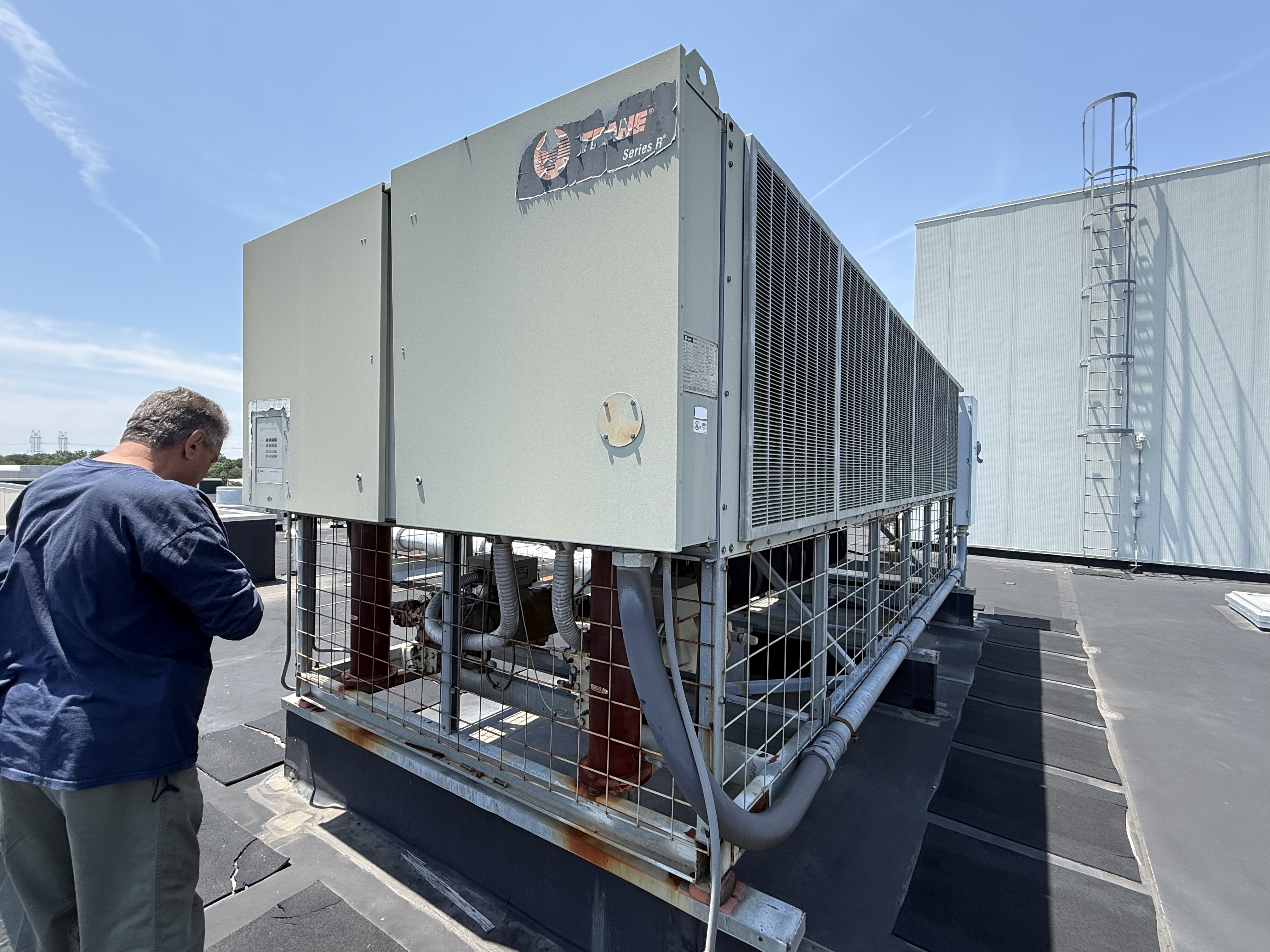
We consider air-cooled and water-cooled chillers, including centrifugal, screw, scroll, and modular equipment. All tonnages and refrigerants are considered, including machines from 20 to 2,000+ tons. The details below illustrate one kind of asset; your chiller does not have to match this example.
For example: A modular chiller installation may consist of multiple sections connected to a common header and shared controls. The sale can involve a complete bank or selected modules, but the number offered and any shared components need to be clear before anyone plans the lift or disconnect.
Number the modules in photographs and explain whether the headers, controller, wiring, and frames are included. If only part of the bank is being removed, describe what must remain in place and who can identify the boundary between the sold equipment and the continuing system.
Consider the selling situation
One situation to consider, if it applies to your property: Warehouse and distribution properties often have truck movements, dock schedules, and storage layouts that matter when a chiller is removed. A unit may serve an office area, a process, or a larger cooling system, and those functions should not be assumed from the building type alone.
Show where the equipment sits relative to dock doors, stored materials, and vehicle routes. Explain whether it can move directly to a truck or requires an interior route, and identify any business operations that need the same space while the sale and removal are being coordinated.
Plan access for a New York chiller
A New York chiller might sit in a dense city building, an upstate industrial plant, a campus utility room, or an outdoor equipment yard. The actual position of the machine and its route to a truck matter more than the municipality alone.
For a basement or interior plant, identify doors, corridors, overhead clearance, and nearby equipment. For a roof or outdoor unit, describe access for lifting and loading, the available staging space, and any property rules that affect the work.
A closed or changing property: plan the path out
If ownership, access, or the site's operations are changing, identify who can grant entry and who can approve the sale. Note whether utilities, lighting, gates, and loading space will be available when the removal is coordinated. A clear contact and asset list are especially valuable when a facility team is changing.
NEW YORK Chiller Buyers handles the coordinated removal scope, including crane and rigging where needed, disconnection, loading, freight, and hauling. Explain any restrictions before the work is agreed so that the equipment owner and site team understand what is included and what other operations need to continue.
Confirm authority to sell before requesting an offer
Before release, identify the person or organization that owns the equipment and can approve the sale. If a property manager, contractor, or facility operator is gathering information, clarify who makes the decision. An itemized equipment list helps everyone agree on the same scope.
Condition, completeness, size, location, and the effort needed to remove the asset all help frame a useful offer discussion. Pictures and available records are welcome, but we do not require you to test or run the equipment. Do not put anyone at risk to reach a label or collect a measurement.
Refrigerant recovery and disconnection
If the machine is still connected, identify any known refrigerant, electrical, and water connections and explain what other equipment remains active. Refrigerant recovery and disconnect are handled within the agreed removal scope. All refrigerants are considered, and the seller does not need to open a system or perform a test to start the conversation.
For a water-cooled system, also identify the water connections and any shared plant components that need to stay. For an air-cooled unit, the location of fans, power connections, and the loading route may be more useful. The applicable details depend on the machine, not on a generic checklist alone.
A cash offer and a clear scope
We buy chillers rather than listing or selling them. NEW YORK Chiller Buyers makes cash offers and provides upfront payment; discuss the payment terms, the equipment included, and the removal responsibilities before authorizing release. A clear agreement should distinguish the chiller from any pumps, controls, towers, or other property that the owner is keeping.
When comparing an offer, consider the complete transaction rather than only a headline number. Rigging, recovery, disconnect, loading, freight, and hauling can all affect the practical result. Explain what work is already complete and what remains so the proposed scope matches the actual site.
How to get started
For multiple units, start by numbering the chillers and matching each nameplate to its location. Explain which machines are connected and what must stay in service. The buyer and owner can then discuss an offer and upfront payment, identify the included equipment, and coordinate recovery, disconnect, rigging, and freight without confusing one unit with another.
If you are looking for a chiller buyer near you, begin with the equipment you have, its location in New York, and the best available contact for the site. From a single surplus unit to several machines from a plant shutdown, the goal is a straightforward purchase and a removal plan suited to the property.